
The spaces we inhabit shape our daily lives in ways we often fail to recognize until we change them. A cluttered, dimly lit, or poorly laid out home interior subtly drains mental energy, casting a shadow over daily productivity and evening relaxation. Conversely, a thoughtfully renewed home serves as a sanctuary, an architectural expression of personal growth, and a functional machine that streamlines your daily routines.
Too often, homeowners fall into the renovation trap. They equate an interior upgrade with massive expenditures, assuming that luxury lies solely in high price tags. True design renewal is far more calculated. It is an intentional balance between structural health, functional floor plans, and tactile materials. By approaching your living space with a top-down strategic framework, you can transform a tired environment into a cohesive, high-value asset without wasting capital on superficial fixes. Whether you are preparing to place your property on the market or looking to anchor yourself in a custom-tailored environment for the next decade, renewing an interior requires transitioning from a passive occupant to an active curator.
Give Tired Floorboards a Second Life Without Replacing Them
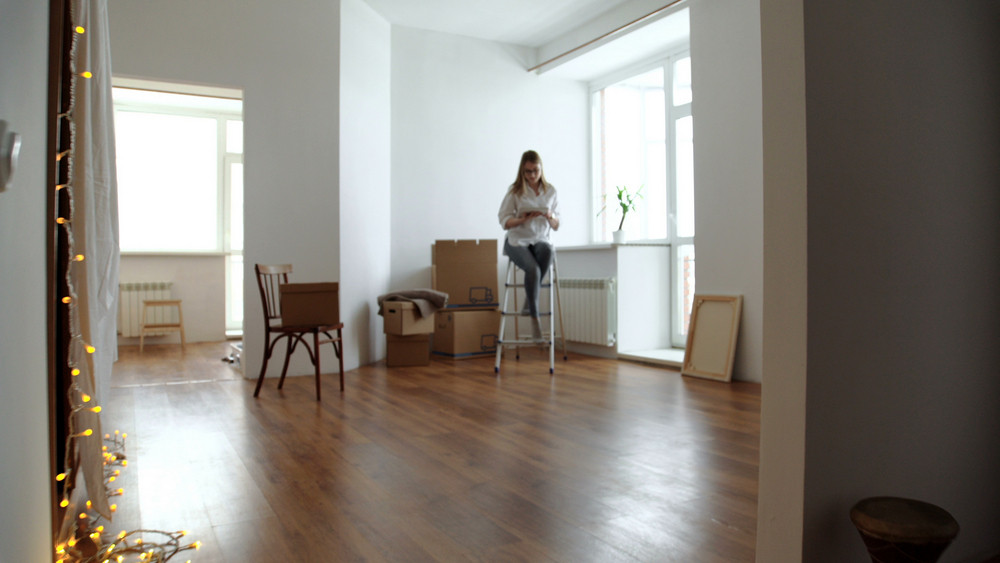
Real wood floors possess an irreplaceable organic warmth, yet decades of foot traffic, pet claws, and UV exposure inevitably take their toll. Tearing out old solid wood is an expensive, environmentally wasteful mistake. Most historic and mid-century floors retain enough thickness to undergo a complete revitalization.
- Structural Assessment: Before touching a sander, inspect your floor vents or threshold gaps to measure the wear layer. If you have at least one-eighth of an inch of solid wood above the tongue-and-groove joint, the floor is an ideal candidate for restoration.
- The Power of Renewal: Investing in professional hardwood refinishing allows you to erase deep scratches, water stains, and yellowed varnishes, restoring the original grain patterns that give a property character.
- Stain and Sheen Decisions: Modern trends favor natural, ultra-matte, or soft satin finishes over high-gloss topcoats, which tend to highlight dust and micro-scratches. Choosing a light oak or clear seal opens up a room, while deep walnut tones add historic gravity.
- Protective Chemistry: Always opt for high-grade water-based polyurethane sealants. They cure faster, omit significantly lower chemical odors during application, and prevent the wood from ambering or yellowing over time.
Choose the Right Paint Chemistry for Long-Term Durability
Painting is the most cost-effective tool in the interior design arsenal, but its simplicity is deceptive. A flawless paint application is 70% surface preparation and 30% application technique.
- Preparation Rigor: Never apply new pigment over dusty, greasy, or dented drywall. Wash your walls with trisodium phosphate, fill every hairline fracture with premium spackle, and sand the surfaces flat. Skipping these steps guarantees that fresh paint will only highlight old imperfections.
- Navigating Finishes: Match the paint sheen strictly to room utility. Matte and flat finishes absorb light beautifully, masking drywall flaws in low-traffic bedrooms. Satin and eggshell offer a subtle luster perfect for busy living areas, while semi-gloss is mandatory for baseboards, trim, and doors due to its scrubbability.
- Sourcing Professional Advice: To get exact color matches and contractor-grade advice on specialized primers, avoid general big-box retailers. Visiting a dedicated interior paint store grants you access to specialized staff who understand how different pigments react to shifting natural light patterns throughout the day.
- The Lighting Test: Paint large sample boards and move them around your rooms across a 24-hour cycle. A color that looks like a warm cream under store lighting can easily shift into an icy gray under northern exposure or a murky yellow under incandescent bulbs.
Optimize Traffic Flows and Layout Dynamics Before Tearing Down Walls
The modern kitchen is no longer an isolated workshop for meal preparation; it is the social command center of the household. A successful overhaul requires a deep dive into spatial ergonomics before a single cabinet is ordered.
- The Work Triangle Reimagined: The classic geometric relationship between your sink, refrigerator, and cooktop must be preserved even in sprawling open-concept layouts. Each leg of the triangle should ideally measure between four and nine feet, ensuring you can move efficiently without taking unnecessary steps.
- Financial Reality Checks: When planning a comprehensive kitchen remodel, spatial configuration changes drive up costs faster than finishes. Moving a sink drain or a gas line requires cutting into flooring and sub-structures, so try to keep major utility lines in their original locations unless the layout is fundamentally broken.
- Cabinetry Architecture: Prioritize deep drawers over lower cabinets with standard doors. Drawers maximize usable space and prevent you from having to kneel on the floor to retrieve heavy pots hidden in the back of dark cupboards. Soft-close hinges and full-extension glides are non-negotiable baselines for modern construction.
- Hidden Costs: Always set aside fifteen percent of your budget for unforeseen issues behind the drywall, such as outdated wiring or slow-leaking plumbing lines that must be brought up to modern building codes.
Balance Elegance and Maintenance in High-Traffic Work Surfaces
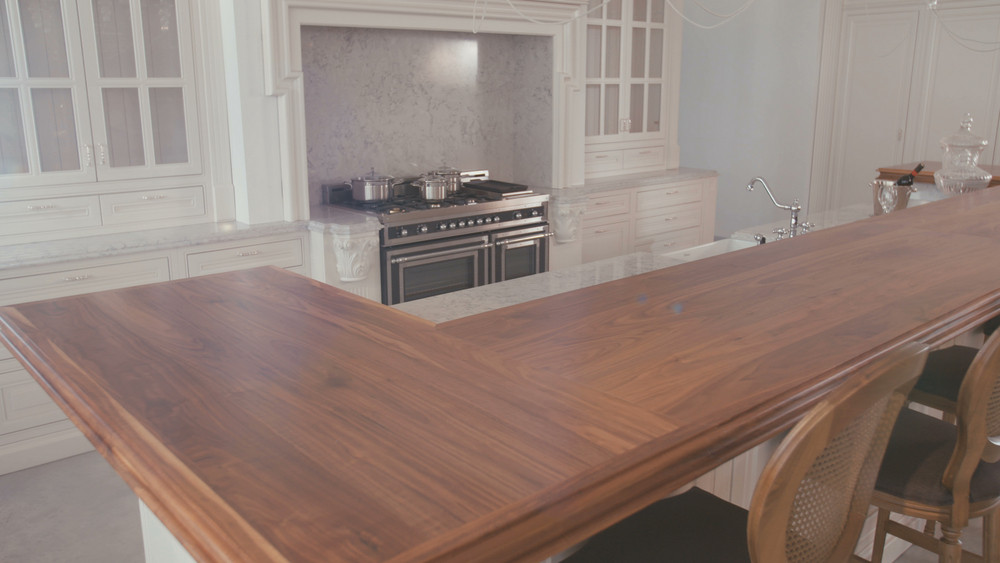
Countertops serve as both a major visual focal point and the primary work surface of the kitchen. Your material choice determines how meticulously you must clean up after a meal.
- The Allure of Natural Stone: Installing a premium marble countertop instantly infuses a kitchen with classic architectural luxury and high-end resale appeal. The unique veining ensures that no two kitchens look identical.
- The Reality of Soft Stones: Buyers must understand that calcium-carbonate-based stones are highly porous and susceptible to acid etching. A splash of lemon juice or red wine left on the surface can dull the finish within minutes. Regular professional sealing is mandatory to protect the stone from deep pigment absorption.
- Engineering Alternates: If low-maintenance living is your goal, look into quartz or porcelain slabs that replicate natural veining patterns while offering total resistance to heat, stains, and scratching.
Modernize Compact Bathrooms by Maximizing Light Reflection
Bathrooms are often the smallest rooms in the house, making them prone to feeling claustrophobic. Simple architectural interventions can drastically alter how your brain perceives their spatial limits.
- Eliminating Visual Barriers: Traditional shower curtains or frosted, framed enclosures act as solid walls, cutting a small bathroom in half visually. By replacing them with frameless glass shower doors, you allow the eye to travel completely to the back wall of the shower stall, expanding the perceived room size.
- Material Cohesion: Run your shower tile all the way to the ceiling to draw the eye upward, creating a sense of vertical volume. Use large-format tiles with minimal grout lines to reduce visual noise.
- Water Repellency: Ensure any glass panels are factory-treated with a hydrophobic coating. This microscopic layer prevents hard water minerals and soap residue from binding to the glass, keeping the enclosure crystal clear with minimal maintenance.
Turn Your Multi-Car Garage Into an Ultra-Clean, Multi-Purpose Zone
The garage is frequently treated as a dark, dusty cemetery for cardboard boxes and garden tools. However, with proper surface treatments and organizational systems, it can become an extension of your clean interior living space.
- The Problem with Raw Concrete: Bare concrete floors are porous, prone to staining from automotive fluids, and constantly shed fine white silicate dust that gets tracked directly onto your clean interior carpets.
- The Industrial Solution: Seeking out professional epoxy garage floor coating services completely transforms the utility of the space. A multi-layer resin coating creates a seamless, non-porous barrier that resists impact, harsh road salts, and chemical spills.
- The Preparation Key: High-quality resin coatings require mechanical diamond grinding of the concrete slab before application. This opens up the pores of the stone, allowing the base coat to fuse deep within the substrate rather than merely sitting on top of it.
- Expanding Your Square Footage: Once a clean, flake-infused, or solid-color floor is cured, the garage can comfortably transition into a climate-controlled home gym, an organized workshop, or a bright, high-utility storage pavilion.
Prioritize Heavy Mechanical Safety Before Aesthetics

An interior design scheme is only as good as the structural safety and mechanical infrastructure supporting it. Beautiful spaces become unlivable if core entryways and mechanical components fail.
- The Hidden Workhorse: The garage door is often the largest moving object in a home, cycling open and closed thousands of times a year. Its smooth operation depends entirely on highly engineered counterbalancing mechanisms.
- Recognizing Mechanical Wear: If your automated door groans, stutters, or feels incredibly heavy when lifted manually, the system is under extreme duress. Attempting to ignore these warning signs can result in snapped cables or a burnt-out motor.
- Sourcing Expert Assistance: Due to the lethal levels of tension stored within torsion systems, scheduling professional garage door spring repairs is a mandatory safety measure. Certified technicians have the specific winding cones and specialized blocks required to calibrate the system without risking severe property damage or physical injury.
Strategic Planning for Complex Structural Adjustments
As you expand your scope across multiple rooms, the timing and sequencing of your updates become paramount to protecting your financial investments.
- Phasing Your Project: When orchestrating large-scale home renovations, always complete heavy, messy structural work—such as wall removal, window replacements, and electrical rewiring—before tackling delicate cosmetic updates like finish carpentry or painting.
- Dust Containment: Ensure contractors install heavy plastic zip-doors and put HVAC systems on a total isolation cycle. Fine construction dust from drywall sanding or flooring installation can easily migrate through ductwork, ruining newly refreshed spaces in other parts of the house.
Restore Depth and Color Intensity to Your Statement Textiles
Large-scale rugs are the unsung heroes of interior design. They define specific functional zones within open floor plans, absorb ambient noise, and introduce crucial soft textures that break up the hard lines of flooring and walls.
- The Microscopic Enemy: Over time, fine soles, airborne grease, and pet dander become deeply embedded in the base fibers of your rugs. This hidden debris acts like sandpaper, slowly grinding away at the wool or silk knots every time someone walks across the room, which dulls the vibrant colors.
- The Limits of Home Vacuums: Standard domestic vacuums only pull debris from the top third of a rug’s pile. Steam cleaning units often introduce excessive moisture without proper extraction, leading to sub-surface mold growth and color bleeding.
- The Professional Difference: Utilizing specialized rug cleaning services ensures that your statement textiles are deeply washed, dusted via mechanical vibration, and dried in climate-controlled environments. This process lifts the crushed pile and restores the natural luster of the fibers without compromising delicate backing adhesives.
- Placement Rules: Ensure your rugs are scaled properly to the room. In a living room, at least the front legs of all major seating pieces should rest comfortably on the rug. A rug that is too small looks like an isolated island, making the entire room feel disjointed and unanchored.
Design a Compelling Structural Anchor for Your Primary Living Space

Every room requires a clear architectural hierarchy. Without a definitive focal point to capture the eye upon entry, a space feels chaotic, leaving the brain struggling to find a sense of order.
- The Power of the Hearth: For centuries, the hearth has been the psychological center of the home. Upgrading a dated brick chimney breast or installing a sleek, modern fireplace unit instantly grounds a living room, creating an organic gathering space for family and guests.
- Evaluating Modern Alternatives: If a traditional wood-burning system is impractical due to local emissions laws or structural limitations, contact a professional fireplace company to explore high-efficiency gas inserts or realistic linear electric models that offer customizable flame displays and supplemental zone heating.
- Safety and Clearances: Any fireplace modification requires strict adherence to local building codes. Ensure proper non-combustible hearth extensions are poured, and maintain exact clearance distances between the firebox opening and wooden mantels or entertainment electronics mounted above.
Renewing a home interior is a marathon of planning, execution, and curation. It requires moving past superficial decor trends to address the underlying materials, layout flows, and structural systems that dictate how a space actually functions on a daily basis. By methodically addressing your floors, walls, high-utility wet rooms, transitional storage zones, and textural final details, you create a harmonious environment that honors the architecture of the house while rising to meet the demands of modern life.
Remember that a successful project does not have to happen all at once. Approach your home as an evolving ecosystem, tackling one phase at a time with a focus on high-quality materials and professional execution. The time and energy you invest in refining these details pay dividends not only in the tangible financial equity of your property but also in the daily peace of mind that comes from living in a beautifully ordered, light-filled, and functional home.