When homeowners think about upgrading their home exterior, their minds usually jump straight to massive, six-figure renovations. Images of full tear-offs, custom-built additions, and architectural overhauls dominate morning television and home improvement magazines. It is easy to look at a tired facade, a faded deck, or an overgrown yard and feel like anything short of a complete overhaul simply will not make a difference. That mindset, however, often leads to analysis paralysis, keeping people from making meaningful improvements that fit comfortably within a real-world budget.
The reality is that exterior upgrades do not have to be an all-or-nothing proposition. By focusing on targeted, strategic improvements, you can radically transform how your home looks, feels, and functions without draining your savings. The secret lies in a balanced approach: knowing where a few weekends of elbow grease can yield high-impact visual results, and knowing when to bring in targeted professional help for structural or protective work.
Upgrading on a budget requires a shift in strategy. Instead of trying to change everything at once, successful homeowners prioritize high-ROI projects that protect the home’s shell, enhance curb appeal, and make outdoor areas more usable. Whether your goal is to boost your property value for a future sale or simply to create a cozy, functional haven for evening dinners, taking a phased approach allows you to stretch every dollar.
Below is an in-depth guide to tackling your home exterior step by step. Each section addresses a specific zone of your property, offering actionable advice, smart trade-offs, and practical methods to get the maximum return on your investment.
Revitalizing Your Front Lawn and Garden Areas
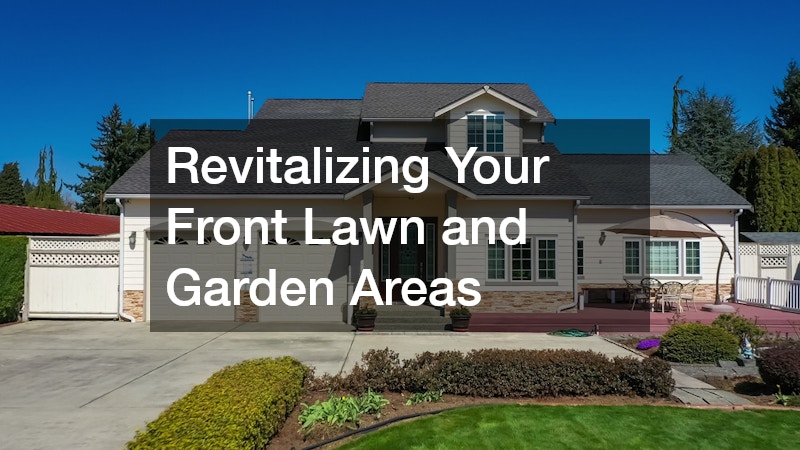
A home’s curb appeal begins at the edge of the street. You do not need an endless budget for exotic plants or heavy stonework to make a striking first impression. Instead, crisp lines, healthy green spaces, and well-defined garden beds do most of the heavy lifting.
If your lawn has seen better days, the temptation is often to strip it entirely and lay fresh sod. However, sod installation gets expensive quickly, particularly over large square footage. A far more economical path is restorative maintenance. Over-seeding, core aeration, and tailored soil treatments can bring even a patchy, weed-ridden lawn back to life over a single season. While DIY weed-and-feed products work for minor upkeep, persistent issues like severe compaction or broadleaf infestations often require targeted expertise. Utilizing professional lawn care services for a one-time seasonal treatment—like heavy-duty aeration and overseeding—gives your soil the boost it needs. You can then handle the routine mowing and edging yourself to keep costs low.
When it comes to garden beds, clarity matters more than volume. Overgrown shrubs hide architectural details and make a property feel neglected. Pull out dead or sprawling vegetation and focus on creating clean, defined borders between your lawn and your garden beds. A hand-edging spade and a afternoon of labor can create deep, vertical soil cuts that give your yard a professionally manicured look instantly.
For planting, adopt a long-term economic strategy by choosing perennials over annuals. While annuals provide immediate color, replacing them every spring becomes a perpetual expense. Perennials like hostas, coneflowers, and ornamental grasses return every year, multiplying over time so you can divide and replant them in other areas of the yard for free. If you are planning a larger hardscape addition, such as a flagstone pathway or a retaining wall, consider consulting with local landscaping contractors to draft a flexible master design. You do not have to hire them to execute the whole project today. Having a professional plan allows you to buy materials gradually and complete small phases over several years as your budget allows, ensuring every small project contributes to a cohesive final picture.
Strategic Steps to Maximize Patio Space and Functionality

Turning an underutilized backyard into an inviting outdoor living room does not require building a brand-new, multi-tiered entertainment complex. Most existing outdoor spaces already have the bones needed for a comfortable retreat; they just need a clearer sense of purpose and a few smart structural refreshments.
To transform a tired, underused back patio into a highly functional extension of your living room, consider working through these sequential stages:
- Assess and Repair Existing Structures
Before spending money on decor or new builds, inspect what you already have. If you have an existing wooden deck that looks weathered, check for structural soundness. Rotten boards, loose railings, or unstable ledger boards are safety hazards that need immediate attention. Hiring a certified deck contractor to inspect the frame, replace compromised joists, and secure structural connections ensures safety without requiring a full teardown. Once the structure is safe, you can handle the cosmetic work yourself by power washing, sanding, and applying a heavy-duty solid stain to make the wood look new again.
- Establish Defined Zones
A wide expanse of concrete or wood often feels barren and uninviting. Create distinct spaces for cooking, dining, and lounging without building walls. Use weather-resistant outdoor rugs to anchor seating areas, position your grill near a dedicated prep table, and use large container planters to physically separate the dining space from the rest of the yard. Defining these zones instantly elevates the perceived quality of your space.
- Layer in Cost-Effective Comfort and Lighting
Once the layout is established, focus on elements that encourage lingering long after the sun goes down. String lights suspended from cedar posts anchored in weighted planters offer warm, atmospheric lighting at a fraction of the cost of hardwired exterior fixtures. Add a prefabricated fire pit kit or a portable propane hearth as a focal point. Focusing on these high-impact touches allows you to create a rich, cohesive outdoor living space while keeping material costs strictly under control.
Balancing Cost and Function for Property Lines and Enclosures
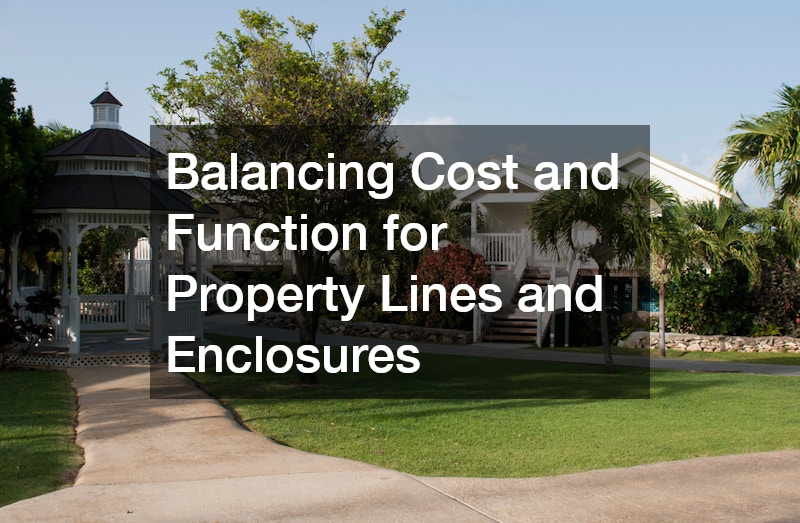
Boundaries do a lot of heavy lifting for a property. They set the visual perimeter, provide safety for kids and pets, and give you the privacy needed to enjoy your yard fully. However, fully enclosing a quarter-acre lot with custom woodwork can easily cost ten thousand dollars or more. Achieving high privacy and great aesthetics on a budget requires a blend of clever material selection and strategic placement.
Picture a typical suburban backyard where the home sits close to neighbors on both sides. Installing decorative fencing along the entire perimeter might completely break your renovation budget. Instead, consider a hybrid approach. Use premium materials only where they are most visible from the street or main seating areas, and transition to cost-effective utility fencing along less prominent side yards.
When establishing your property lines, it helps to weigh the common approaches homeowners take to balance privacy, style, and cost:
- Full-Perimeter Professional Installation: Hiring experienced fence contractors to build custom wood, vinyl, or composite enclosures guarantees precise post-depth, level top rails, and long-term durability. While this carries a higher initial cost, it eliminates the immense labor of digging post holes and ensures your barrier withstands heavy winds.
- Strategic Accent Fencing: Installing high-end privacy fencing solely along key high-traffic zones—such as directly adjacent to a back patio or framing a hot tub—gives you immediate seclusion where you actually spend time. You can then blend the edges of the structural panels into natural screens using tall bamboo, arborvitae, or trellised climbing vines.
- Restoration of Existing Boundaries: If you already have a perimeter barrier that is leaning or discolored, complete replacement is rarely necessary. Replacing a few broken pickets, resetting leaning support posts in fresh concrete, and applying a dark, modern exterior stain can make a fifteen-year-old boundary look completely custom for a few hundred dollars in supplies.
By treating property boundaries as a blend of structural hardscaping and living greenery, you prevent unnecessary tear-outs and keep your scope of work aligned with your financial goals.
Low-Cost Weather Protection and Shading Solutions
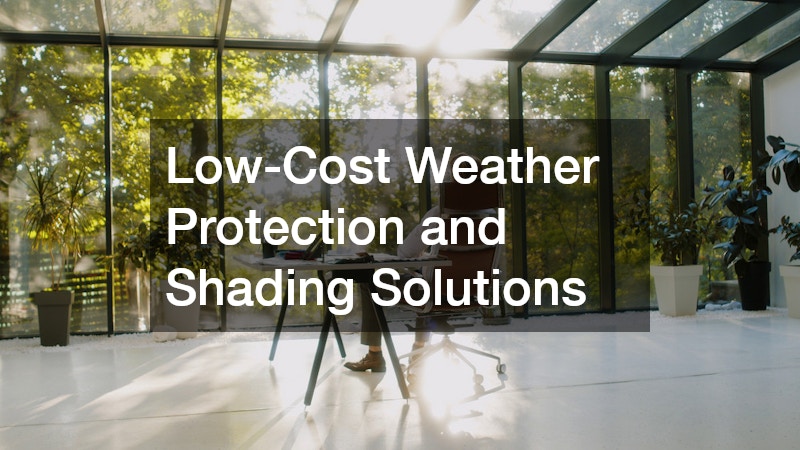
An outdoor space is only valuable if you can comfortably spend time in it. High winds, intense summer glare, driving rain, and persistent insects quickly drive people indoors, turning a great patio into an empty concrete slab. Upgrading your exterior means adding layers of protection that extend the usability of your space across multiple seasons.
Protection comes in two forms: shielding yourself from the elements while relaxing outdoors, and shielding your home’s structural envelope from weather damage over time.
For personal comfort, sun control is the highest priority. Extending a roofline to cover a patio is one of the most expensive additions you can make to a home, often requiring structural engineering, framing, and expensive permits. An exceedingly popular, low-cost alternative is installing retractable screens along existing porch posts or pergola structures. These systems give you flexible control, allowing you to roll down mesh barriers during peak sun hours or heavy mosquito season, and roll them up out of sight when you want an open-air feel. They offer the functionality of a built-in sunroom at a tiny fraction of the construction cost.
When looking at structural protection, your exterior plan should balance personal comfort upgrades with core maintenance. Personal comfort upgrades include solutions like retractable mesh or sun screens, shade sails, pergolas, and removable windbreaks. Structural protection focuses on structural integrity, such as flashing inspections, shingle repairs and sealing, and clearing out ridge vents.
While adding comfort features to your relaxation spaces, you must also look upward to protect your home’s main defense system: the roof. Overlooking minor roof wear can lead to catastrophic internal leaks that ruin interior walls and destroy your outdoor budget. Having an experienced roofing contractor perform a routine tune-up—replacing worn rubber pipe boots, securing loose flashing, and swapping out broken shingles—costs very little, yet prevents thousands of dollars in water damage down the line. Protecting what you already own is always the most cost-effective upgrade you can make.
Smart Exterior Surface Care and Water Management
The surfaces that wrap your home—the siding, trim, and drainage networks—bear the brunt of every storm, freeze, and heatwave. Over time, dirt, algae, and minor physical wear cause a house to look aged and dingy, even if the structure beneath is in excellent condition. Restoring these primary surfaces delivers some of the most dramatic visual transformations possible on a tight budget.
A common mistake homeowners make is assuming that faded or stained siding needs to be replaced entirely. Siding replacement is a major capital expense. In reality, most vinyl, fiber cement, and aluminum siding simply suffers from built-up oxidation, mildew, and atmospheric grime. A thorough deep-cleaning using an exterior-safe detergent solution and a low-pressure wash can make ten-year-old siding look as though it was installed last week.
When there is actual damage—such as melted vinyl panels near a grill, cracked fiber cement boards near ground level, or rotting wood trim around windows—you do not need to re-side the whole house. Instead, hire a specialized local siding service to perform targeted repairs. Professional technicians can blend new panels into existing tracks, patch damaged trim, or create a stylish, budget-friendly accent wall using board-and-batten or faux-stone veneer on just the front porch area, giving the entire home a modern, multi-textured appearance for a fraction of the cost of a full re-side.
Finally, proper water management is critical to protecting your investment in siding and foundations. Overflowing water from clogged or damaged roof drainage systems washes away mulch beds, stains exterior walls, and causes foundation settling. Rather than replacing an entire seamless system, bring in professional gutter contractors to realign sagging lengths, seal leaking corner joints, and add downspout extensions. Diverting roof runoff four to six feet away from your home foundation prevents costly soil erosion, protects your hardscaping, and preserves your newly refreshed exterior for years to come.
Enjoying the Long-Term Rewards of Strategic Home Upgrades
Transforming your home’s exterior on a budget is fundamentally about making smart choices, setting clear priorities, and executing projects in logical phases. By stepping away from the belief that home improvement requires massive, expensive overhauls, you free yourself to focus on practical, high-impact changes that immediately elevate your everyday living experience.
A successful budget renovation relies on combining your own weekend effort with targeted professional expertise. Handling straightforward tasks like deep cleaning, surface prep, basic edging, and styling allows you to reserve your financial resources for specialized trade work that guarantees long-term structural integrity. This balanced approach protects your home from the elements, enhances its functional living space, and dramatically sharpens its visual appeal.
Take a walk around your property today with a fresh perspective. Look past the large, intimidating projects and identify two or three small, manageable upgrades you can tackle this month. Whether it is refreshing a faded deck, clearing out garden borders, or scheduling a quick tune-up for your home’s protective shell, taking that first step will set your entire exterior transformation in motion.