Owning a home comes with a steady stream of maintenance, repairs, and improvement projects. While tackling repairs yourself or hiring help can feel empowering, many homeowners unknowingly make mistakes that lead to costly damage, safety risks, or recurring problems. Often, these mistakes stem from rushing the job, underestimating complexity, or skipping proper planning.
This guide breaks down ten of the most common home repair mistakes homeowners make—and, more importantly, how to avoid them. Whether you’re maintaining your property, upgrading features, or responding to damage, these tips will help you make smarter decisions, protect your investment, and avoid unnecessary stress.
1. Ignoring Gutters Until Water Damage Appears
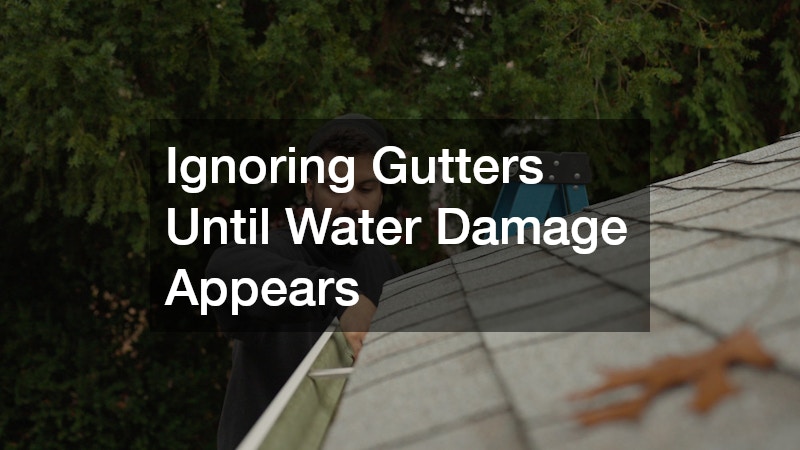
Gutters play a critical role in directing rainwater away from your home, yet they are often ignored until visible damage occurs. When gutters clog with leaves, dirt, or debris, water spills over the sides and pools near the foundation. Over time, this can cause basement leaks, foundation cracks, rotting fascia boards, and mold growth inside the home.
One of the biggest mistakes homeowners make is assuming that gutters only need attention when they’re visibly overflowing. In reality, internal blockages and improper slope can cause hidden damage long before you notice a problem. Seasonal changes, especially fall and spring, make gutters particularly vulnerable to buildup.
How to avoid the mistake:
- Schedule gutter cleaning at least twice a year
- Inspect joints, seams, and hangers for leaks or looseness
- Ensure downspouts extend far enough to move water away from the foundation
- Check for signs of water staining on siding or foundation walls
If your home has multiple stories, complex rooflines, or chronic drainage problems, working with an experienced gutter contractor can help prevent long-term structural damage that DIY maintenance may overlook.
2. Skipping Permits and Planning During Renovations
Renovation excitement often leads homeowners to start demolition before understanding legal and structural requirements. Skipping permits might save time initially, but it can create serious problems down the line. Unpermitted work can void insurance coverage, reduce resale value, and even result in fines or mandatory removal of completed projects.
Many homeowners also fail to plan beyond aesthetics. Without a detailed plan, projects run over budget, timelines stretch indefinitely, and mistakes multiply. Structural changes, plumbing reroutes, and electrical upgrades all require careful coordination and code compliance.
How to avoid the mistake:
- Research local building codes before starting any renovation
- Apply for permits early to avoid project delays
- Create a realistic budget that includes contingencies
- Coordinate inspections at each project phase
Hiring professional remodeling services can help homeowners navigate planning, permitting, and execution efficiently. Professionals understand how to balance design goals with safety and compliance, reducing stress and costly rework.
3. Attempting Roof Repairs Without Proper Evaluation
Roof issues are intimidating, which leads many homeowners to attempt quick fixes without understanding the root cause. Replacing a few shingles or sealing a leak may seem effective, but underlying issues like damaged underlayment or poor ventilation can persist unnoticed.
Another common mistake is performing roof work without proper safety precautions. Roof slopes, weather conditions, and fragile materials make DIY repairs risky. Incorrect installation techniques can void warranties or shorten the roof’s lifespan.
How to avoid the mistake:
- Inspect your roof annually and after severe storms
- Look for missing shingles, flashing damage, or sagging areas
- Address attic ventilation issues that cause moisture buildup
- Avoid patching leaks repeatedly without investigation
Consulting a qualified roofing company ensures that problems are diagnosed correctly and repairs are performed safely. Professional evaluations often prevent small issues from becoming full roof replacements.
4. Cutting Down Trees Without Assessing Property Risk
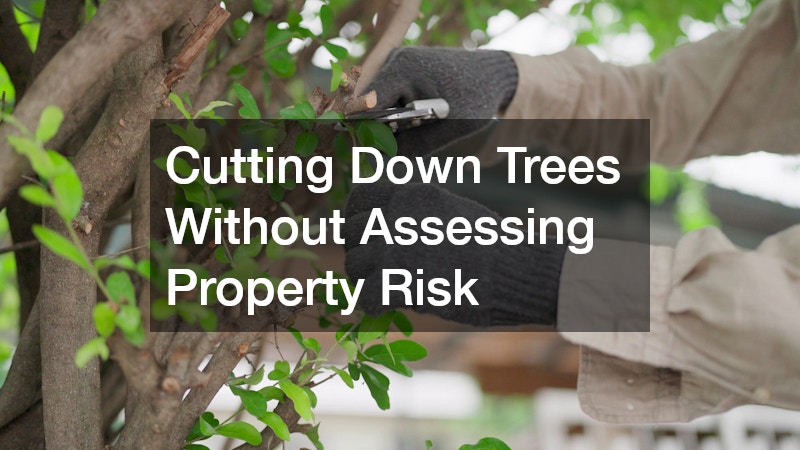
Trees enhance curb appeal, provide shade, and increase property value—but improper maintenance can quickly become a hazard. Homeowners often underestimate the size, weight, and unpredictability of trees, especially during removal or heavy trimming.
Improper cuts can cause trees to fall toward the home, damage roofs, or tear out sections of fencing. Underground roots can crack foundations, interfere with drainage systems, and lift walkways if left unmanaged.
How to avoid the mistake:
- Inspect trees regularly for disease or structural weakness
- Avoid trimming large branches without safety equipment
- Identify underground utilities before digging or cutting roots
- Never attempt to remove large or leaning trees alone
A professional tree service has the tools and expertise to manage trees safely while minimizing risk to your home and surrounding structures.
5. Underestimating the Complexity of Pool Projects
Pool projects are often viewed as luxury upgrades, but they are also complex construction endeavors. Homeowners frequently underestimate how much planning is required, leading to drainage issues, cracked shells, or inefficient circulation systems.
Mistakes during installation—such as improper soil compaction or inadequate reinforcement—can shorten a pool’s lifespan dramatically. Long-term maintenance costs are also commonly overlooked, creating financial strain after installation.
How to avoid the mistake:
- Conduct soil and drainage evaluations before construction
- Choose materials suited to your climate
- Plan for safety features and code compliance
- Budget for long-term maintenance and repairs
An experienced pool construction company ensures that structural integrity, safety, and functionality are built into the project from day one.
6. Improper Heating and Cooling System Installations
Heating and cooling systems are among the most expensive home investments, yet they are often installed incorrectly. Choosing the wrong system size is one of the most common errors, leading to uneven temperatures, excessive wear, and high energy bills.
Poor ductwork design and improper placement of vents further reduce efficiency. Homeowners who focus solely on upfront costs often pay far more in long-term energy and repair expenses.
How to avoid the mistake:
- Perform load calculations before selecting equipment
- Seal ductwork to prevent air leaks
- Ensure proper airflow throughout the home
- Schedule routine inspections and maintenance
Professional hvac installation ensures your system operates efficiently, improves indoor comfort, and lasts longer with fewer breakdowns.
7. Neglecting Routine Yard and Exterior Maintenance
Exterior maintenance is often postponed because it seems cosmetic rather than structural. However, neglected yards can cause drainage problems, pest infestations, and accelerated wear on siding and foundations.
Overgrown plants trap moisture against the home, while clogged outdoor drains can lead to flooding during heavy rain. Small issues compound quickly when regular upkeep is ignored.
How to avoid the mistake:
- Maintain consistent trimming and edging
- Remove debris from gutters, drains, and walkways
- Keep vegetation away from siding and windows
- Monitor grading and soil erosion
Consistent lawn maintenance helps protect your home’s exterior while preserving safety and curb appeal.
8. Installing Driveways Without Proper Base Preparation
A driveway’s appearance often gets the most attention, but its long-term performance depends almost entirely on what lies beneath the surface. One of the most common mistakes homeowners make is underestimating the importance of base preparation. Without a stable, well-compacted foundation, even the highest-quality surface materials will fail prematurely. Cracking, sinking, and uneven surfaces typically begin below ground, long before visible damage appears on top.
Soil conditions vary widely, and failing to account for them can lead to serious problems. Soft or poorly drained soil allows the base to shift under the weight of vehicles, while inadequate excavation depth reduces the driveway’s ability to distribute load evenly. Drainage is another critical factor. If water is allowed to collect beneath the driveway, it erodes the base over time and increases the risk of frost heave in colder climates.
Rushing the installation process also contributes to early failure. Skipping proper compaction or allowing vehicles on the surface too soon can undo even well-intentioned work. Driveways are subject to constant stress, so shortcuts during preparation almost always result in ongoing repairs.
How to avoid the mistake:
- Excavate to the correct depth based on soil conditions and driveway use
- Compact the base in layers to create a stable foundation
- Ensure the driveway has a slight slope to promote effective drainage
- Allow adequate curing or settling time before regular use
Professionally installed driveway pavers provide added flexibility, allowing the surface to adapt to minor ground movement while reducing cracking and extending the driveway’s overall lifespan.
9. Pouring Concrete Without Accounting for Drainage and Climate
Concrete is often viewed as a permanent solution, but its durability depends heavily on how and where it is installed. One of the most common mistakes homeowners make is treating concrete as a one-size-fits-all material. Temperature fluctuations, soil conditions, and water movement all play a major role in how concrete performs over time. When these factors are ignored, even newly poured slabs can crack, shift, or deteriorate far sooner than expected.
Climate has a particularly strong impact on concrete. In regions with freezing temperatures, trapped moisture expands as it freezes, causing surface flaking and deep cracks. In hot climates, concrete that cures too quickly can weaken internally, reducing overall strength. Drainage issues further compound these problems, as standing water accelerates erosion beneath the slab and increases the risk of uneven settling.
Improper curing is another frequent issue. Concrete needs controlled moisture levels during the curing process to achieve maximum strength. Rushing this phase or exposing the surface to extreme weather can permanently compromise durability. Additionally, many homeowners skip reinforcement entirely, leaving slabs vulnerable to stress from vehicle traffic and ground movement.
How to avoid the mistake:
- Install control joints to guide cracking in less visible areas
- Use reinforcement such as rebar or wire mesh where loads are heavy
- Schedule pours during moderate weather conditions whenever possible
- Design proper grading and drainage to move water away from the surface
A skilled cement driveway contractor understands how local climate and soil conditions affect concrete and can tailor installation methods to ensure long-lasting, structurally sound results.
10. Overlooking Early Signs of Water Heater Problems
Water heaters are easy to take for granted because they operate quietly in the background—until they don’t. One of the most common home maintenance mistakes is ignoring early warning signs that a water heater is struggling. Noises such as popping or rumbling often indicate sediment buildup at the bottom of the tank, which forces the unit to work harder and reduces efficiency. Inconsistent water temperatures, reduced hot water supply, or longer recovery times can signal failing heating elements or a thermostat that’s no longer functioning properly.
Another frequently overlooked issue is slow, hidden leakage. Small drips around fittings, valves, or the base of the tank can gradually cause water damage to flooring, walls, or nearby appliances. Rust-colored water or a metallic smell may indicate internal corrosion, which is often a sign that the tank is nearing the end of its usable life. Ignoring these symptoms doesn’t just shorten the lifespan of the unit—it increases the risk of sudden failure.
When a water heater fails unexpectedly, the consequences can be significant. Beyond the inconvenience of losing hot water, homeowners may face emergency replacement costs, water damage cleanup, and potential mold issues if leaks go unnoticed.
How to avoid the mistake:
- Flush the tank annually to remove sediment and improve efficiency
- Inspect fittings, valves, and the surrounding area for corrosion or moisture
- Pay attention to changes in water temperature, pressure, or color
- Proactively replace units that are approaching the end of their expected lifespan
Scheduling routine water heater services allows small issues to be identified early, helping extend system life, reduce energy costs, and prevent disruptive, costly breakdowns.
Home repair mistakes are rarely caused by a lack of effort or care. In most cases, homeowners are genuinely trying to protect and improve their property, but problems arise when decisions are rushed or the true complexity of a repair is underestimated. A minor issue may seem harmless at first, yet small oversights can quietly develop into expensive, time-consuming repairs. When homeowners rely on quick fixes instead of long-term solutions, they often end up addressing the same problem repeatedly—each time with greater cost and frustration.
Taking a proactive and informed approach to home maintenance is one of the most effective ways to avoid these pitfalls. This begins with recognizing that a home is a system of interconnected parts rather than a collection of isolated components. A repair in one area can impact another, especially when it comes to water management, structural integrity, and mechanical systems. Learning how these systems interact allows homeowners to spot warning signs early and respond before damage escalates.
Finally, timely professional support is an investment rather than an expense. Skilled professionals bring experience, specialized tools, and problem-solving insight that homeowners may not have. Knowing when to seek expert help ensures repairs are completed safely and effectively, protecting not only your home and budget, but also your long-term comfort and confidence as a homeowner.