
Every homeowner eventually discovers that maintaining a comfortable, efficient living space is far more complex than simply adjusting a thermostat. A residential structure functions as an interconnected ecosystem, where mechanical systems, structural framing, and protective exterior barriers work in concert to manage dynamic heat transfer, air movement, and internal moisture levels. When one component begins to degrade, the secondary consequences quickly ripple through the entire building envelope. Unsealed gaps pull in humid air during summer months, aging mechanical systems drain excessive electricity to compensate for lost pressure, and hidden moisture leaks silently compromise valuable thermal insulation.
The true financial impact of ignoring these minor operational flaws compounds over time. Utility costs steadily climb, mechanical equipment fails prematurely under sustained overwork, and indoor environmental quality deteriorates into a frustrating cycle of uneven temperatures, drafty rooms, and stagnant air. Shifting from a reactive repair mindset to a systematic upkeep strategy changes this dynamic entirely. By viewing the house as a single, unified energy envelope, regular maintenance becomes a high-yield investment. This proactive approach preserves structural capital, slashes monthly operational expenditures, and secures reliable, year-round indoor climate stability regardless of extreme weather outside.
Optimizing Airflow and Indoor Climate Control

Forced-air distribution networks rely on balanced airflow and controlled static pressure to heat and cool a home evenly. When dust, animal hair, or structural restrictions obstruct air movement, the central blower motor must run longer cycles at higher strain, consuming far more energy while delivering reduced comfort. Maintaining balanced distribution requires daily attention to simple physical airflow controls throughout the living quarters.
- Replace air filters every 60 to 90 days, choosing a MERV rating that balances fine particulate capture with the original design specifications of your equipment’s blower fan.
- Inspect and clear supply vents and return grilles in every room, maintaining at least six inches of open clearance from furniture, long drapes, and floor coverings.
- Calibrate programmable or smart thermostats to match real occupancy schedules, avoiding sharp, high-demand temperature adjustments during peak utility hours.
- Adjust supply register dampers seasonally, shifting higher airflow to upper levels during hot summer months and redirecting heat toward lower floors during winter.
- Vacuum return air grilles and intake registers monthly using a soft brush attachment to prevent dust mats from restricting intake volume.
- Seal visible duct connections in unconditioned basements or attics using mastic sealant or foil-backed tape rather than standard cloth tape.
- Install ceiling fans and reverse their motor direction counterclockwise in summer and clockwise at low speed in winter to assist thermal air circulation.
- Check outdoor condenser units weekly during peak usage seasons to clear away grass clippings, fallen leaves, and surrounding garden foliage.
While home occupant care maintains baseline air velocity, long-term operational efficiency demands specialized technical service. Heat exchangers acquire microscopic combustion residue, evaporator coils build up insulating dust layers, and refrigerant levels can slip out of optimal operational tolerances over time. Engaging professional HVAC services guarantees that electrical contacts, condensate pump safety switches, and compressor performance are systematically tested under actual thermal loads before seasonal extremes arrive. Furthermore, the concealed duct network that delivers treated air requires periodic structural maintenance. Over years of operational cycles, airborne particulates settle deep inside supply trunks and branch lines. Utilizing specialized ductwork cleaning services removes heavy debris accumulations, restores original internal duct dimensions, eliminates friction loss, and stops recirculating allergens that compromise indoor air quality.
Protecting the Upper Building Envelope and Thermal Barrier
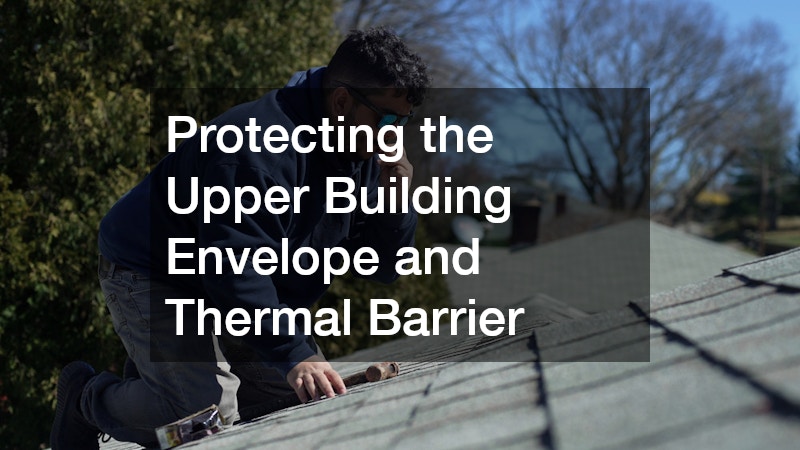
Solar radiation, wind-driven rain, and freezing temperatures strike the roof deck first. In hot weather, absorbed solar energy raises attic space temperatures, creating a heavy heat barrier that radiant energy transfers straight down into living spaces below. During winter, escaping warm air warms the underside of the roof deck, melting ambient snow and creating dangerous ice dams along the eaves. Protecting this primary thermal barrier demands a systematic inspection of both external materials and attic space conditions.
- Clear continuous soffit and ridge vents annually to remove leaf debris, bird nests, and organic material that impede natural stack-effect ventilation.
- Measure attic insulation depth across the entire floor, ensuring loose-fill or batts maintain a continuous, uniform layer without gaps around joists.
- Clean leaves, pine needles, and grit from roof gutters and downspouts twice a year to prevent standing water from backing up under starter shingles.
- Seal air leaks around ceiling penetrations, attic access panels, recessed light canisters, and exhaust fan housings using high-density expandable foam.
- Trim tree branches back at least six feet from the roof edge to prevent mechanical abrasion of shingle granules and eliminate shaded damp zones.
- Inspect attic spaces periodically during heavy rains for damp structural rafters, water spots, or signs of slow roof deck leaks.
- Weatherstrip and insulate the attic access hatch or drop-down stair panel to eliminate a major source of convective heat loss.
- Check metal chimney flashing and rubber pipe boot seals annually for cracking, rust, or separation from surrounding roof surfaces.
The overhead roof structure serves as the primary shield protecting structural framing and interior ceiling insulation from weather degradation. When shingles buckle, flashing separates from chimney bases, or underlying membranes degrade, moisture infiltrates the subdecking and ruins ceiling insulation. Scheduling comprehensive roofing services allows trained professionals to detect subtle flaws—such as deteriorated plumbing boot seals or compromised valley flashing—long before internal ceiling stains appear. When aging roofing materials reach the end of their operational lifespan, hiring a qualified roofing contractor ensures that ice and water shields, high-efficiency underlayments, and balanced roof ridge ventilation systems are installed according to modern engineering standards. This targeted maintenance preserves attic insulation performance and stops costly heat loss through the top of the house.
Weatherproofing Exterior Walls and Heavy Opening Seals
Vertical wall assemblies represent the largest exposed surface area of the building envelope. Wall cavity insulation relies on airtight exterior cladding and tight window boundaries to keep external air from bypassing thermal insulation layers. Additionally, major wall openings—most notably attached garage entries—act as massive unconditioned air buffers. If left unsealed, these large access zones draw substantial thermal energy out of adjacent interior walls and living areas above.
- Apply exterior-grade elastomeric sealant around window frames, exterior door casings, and outdoor utility penetration sleeves to block air infiltration.
- Install heavy-duty vinyl or neoprene door sweeps across the bottom of all exterior doors to stop low-level drafts and prevent heat loss.
- Inspect exterior wall cladding annually for cracked panels, loose mortar lines, or warped trim board sections that permit water infiltration.
- Mount rigid foam insulation panels or reflective radiant barriers across uninsulated wall cavities inside attached garage spaces.
- Clear exterior wall weep holes using a small wire brush to allow built-up cavity moisture to drain freely without inviting insect entry.
- Replace worn, flattened, or torn weatherstripping along primary entry door frames to re-establish an airtight perimeter seal.
- Cover older single-pane windows with temporary exterior storm panels or interior shrink-film insulation kits during severe winter months.
- Lubricate garage door tracking rollers, hinges, and torsion springs bi-annually with synthetic silicone spray to reduce mechanical dragging.
Maintaining continuous wall protection requires periodic professional intervention to address structural movement, aging vapor barriers, and dynamic seal failures. Over time, external wall materials shift due to seasonal ground expansion and natural settling. Partnering with a skilled siding company allows homeowners to repair loose exterior panels, repair torn house wrap barriers, and integrate insulated wall cladding systems that cut structural thermal bridging. Similarly, large moving garage doors require regular balance tuning and mechanical alignment to maintain tight perimeter contact. Utilizing expert garage door services ensures that high-tension springs, tracking rollers, and flexible perimeter weather stripping function smoothly together, creating a tight seal that stops high-velocity winter winds from chilling the garage interior and neighboring interior rooms.
Managing Water Flow and Internal Plumbing Efficiency

Water heating and distribution systems account for a significant portion of total household energy consumption. Standby heat loss from uninsulated hot water storage tanks and supply lines wastes energy continuously, while hidden domestic water leaks silently flood wall cavities, lower water pressure, and elevate indoor humidity levels. Maintaining efficient fluid dynamics requires routine care across both supply lines and wastewater drainage channels.
- Wrap exposed hot water supply pipes in unconditioned basements, crawlspaces, and utility rooms with pre-formed foam pipe insulation sleeves.
- Lower the main water heater temperature setting to 120°F (49°C) to reduce standby heat loss while preventing accidental scalding.
- Install high-efficiency low-flow aerators on kitchen and bathroom faucets to curb overall hot water volume usage without sacrificing spray pressure.
- Test toilet tank flush valves annually by dropping non-staining food dye into the tank to verify that internal flapper seals are not leaking.
- Operate the manual pressure relief valve on the water heater annually to clear scale buildup and verify that internal safety releases function smoothly.
- Install water leak sensors near water heaters, washing machines, and sink vanities to catch hidden drips before major flooding occurs.
- Drain and flush two to three gallons of water from the water heater bottom drain valve quarterly to reduce mineral sediment collection.
- Inspect washing machine rubber supply hoses every six months for bulging or micro-cracks, upgrading to braided stainless steel lines.
Beyond basic fixture maintenance, the complex network of hidden supply lines, pressure regulators, and wastewater discharge pipes requires expert mechanical care. Water supplies containing high mineral concentrations form thermal scale along interior water heater heating elements, creating an insulating layer that reduces heat transfer efficiency. Retaining licensed plumbing contractors for annual system flushes removes tank sediment, tests main line water pressure, and verifies that pressure-reducing valves protect delicate internal appliance valves. Simultaneously, interior wastewater drains accumulate organic fats, soap scum, and invasive root growth over years of daily use. Arranging specialized drain cleaning services utilizes high-pressure hydro-jetting and mechanical augers to scour pipe interiors clean, restoring full discharge velocity, preventing hydrostatic pressure backups, and eliminating mold-breeding moisture pooling inside crawlspaces.
Upgrading Electrical Capacity and Energy Management
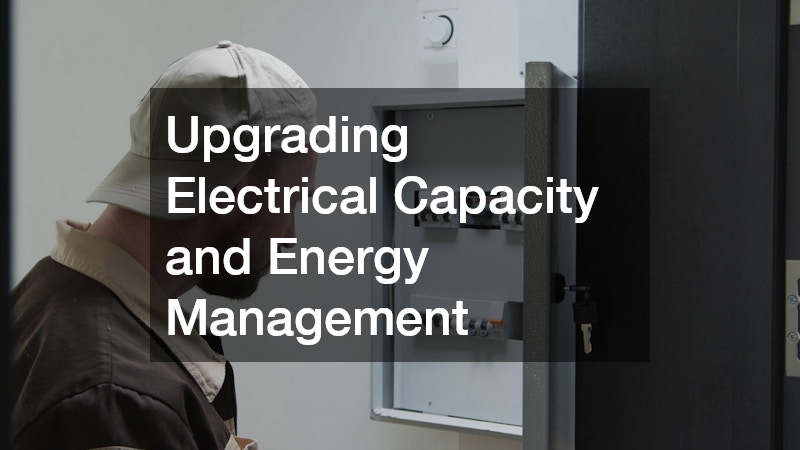
Modern homes rely heavily on continuous electrical power to operate variable-speed heat pumps, ventilation fans, smart controls, and major household appliances. When electrical distribution panels or aging branch circuits operate near maximum thermal capacity, elevated resistance across oxidized connections wastes electrical power as waste heat. Securing efficient power management requires active monitoring of phantom energy loads combined with systematic circuit safety testing.
- Connect home entertainment centers, computer workstations, and secondary electronics to smart power strips that cut standby power to idle gear.
- Test all ground fault circuit interrupter and arc fault circuit interrupter outlets monthly using built-in test buttons to confirm rapid trip responses.
- Replace outdated incandescent and halogen bulbs with high-efficiency light-emitting diode fixtures across all interior and exterior light sockets.
- Space out the operation of high-draw appliances like clothes dryers, dishwashers, and electric ovens to avoid simultaneous demand spikes.
- Inspect wall outlet faceplates visually for heat discoloration or localized warmth, instantly disconnecting equipment if surface temperatures feel warm.
- Unplug small kitchen appliances, chargers, and secondary devices when not in use to eliminate passive electrical phantom loads.
- Upgrade outdated rotary or toggle light switches to programmable timers or motion-sensing switches in low-occupancy rooms.
- Clean refrigerator condenser coils twice a year using a long flexible brush to prevent compressor overheating and extra energy draw.
As households transition away from fossil fuels toward electric heat pumps, induction cooking, and electric vehicle charging, internal power infrastructure must expand to match higher load profiles. Undersized service entrances or crowded breaker panels suffer voltage drops that force electric motors to draw extra current, increasing operational temperatures and shortening motor lifespan. Modernizing panel capacity through a comprehensive electrical service upgrade ensures main busbars, main breakers, and feed wires can safely handle high-demand modern appliances. When adding heavy-duty circuits or correcting historical wiring defects, hiring a qualified electrician ensures that copper wire gauges match breaker ampacities, wire connections are torqued to exact spec, and ground paths are verified. This professional oversight maximizes power delivery efficiency, prevents fire hazards, and eliminates parasitic voltage drop across the household power grid.
Achieving a truly comfortable home environment that operates at peak energy efficiency is not the result of a single rapid renovation, but rather the cumulative effect of continuous, methodical maintenance. By understanding how thermal insulation layers, air distribution networks, water heating loops, and electrical grids depend upon one another, homeowners can establish a proactive schedule that stops small mechanical wear from escalating into severe system failures or structural damage.
Taking ownership of basic monthly and seasonal maintenance tasks—such as replacing air filters, insulating exposed pipes, sealing drafty window casings, and checking door sweeps—builds a strong foundation of energy efficiency. Complement these regular home habits with targeted technical expertise whenever complex mechanical machinery, high-voltage electrical panels, or primary building envelope components require specialized service. This balanced approach protects overall property value, lowers monthly utility expenses, and delivers a stable, comfortable indoor climate across every season of the year.