A healthy yard does far more than improve the appearance of a home. Well-maintained outdoor spaces contribute to safer walkways, stronger plant growth, better drainage, cleaner air, and fewer pest-related issues. Neglected lawns and landscapes can quickly lead to expensive problems, including soil erosion, structural damage, unhealthy vegetation, and insect infestations that spread from the yard into the home.
Many homeowners focus only on mowing the grass or watering flower beds, but truly effective outdoor maintenance requires a more comprehensive approach. Trees, irrigation, drainage, pest prevention, debris cleanup, and seasonal inspections all play important roles in preserving the condition of residential properties. Small maintenance habits performed consistently throughout the year often prevent major repairs and help outdoor spaces remain attractive and functional.
Whether a homeowner has a compact suburban lawn or a large property with extensive landscaping, understanding the fundamentals of proper yard care can make maintenance more manageable and cost-effective. The following guide explores practical strategies homeowners can use to improve the health, safety, and appearance of their residential properties year-round.
Build a Strong Foundation With Better Soil and Lawn Care
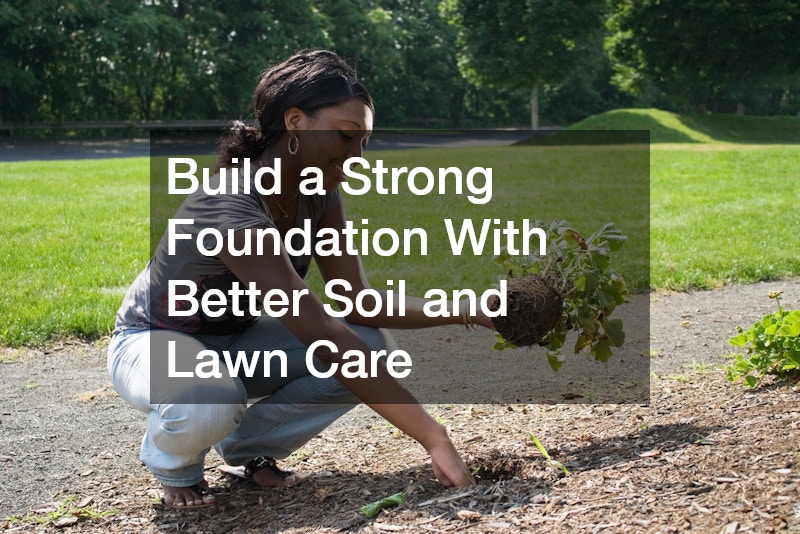
Healthy residential landscapes begin below the surface. Soil quality directly affects grass growth, plant health, drainage efficiency, and even pest activity. Many homeowners attempt to solve lawn problems by adding more water or fertilizer without addressing the underlying condition of the soil itself.
Compacted soil is one of the most common issues affecting residential lawns. Heavy foot traffic, poor drainage, and clay-heavy soil can reduce airflow and limit root growth. Over time, this weakens grass and creates thin patches that become vulnerable to weeds and erosion.
One of the best ways to improve lawn conditions is through routine aeration. Aerating the soil allows oxygen, nutrients, and water to reach plant roots more effectively. This process is especially beneficial during growing seasons when lawns are actively recovering from environmental stress.
Homeowners should also focus on maintaining proper watering habits. Deep, infrequent watering is typically more effective than shallow daily watering because it encourages roots to grow deeper into the soil. Lawns that develop stronger root systems are more resilient during dry periods and less susceptible to disease.
Additional ways to improve soil and lawn health include:
- Testing soil pH every few years
- Applying compost or organic matter to nutrient-poor areas
- Reseeding thin patches before weeds spread
- Keeping mower blades sharp to avoid damaging the grass
- Avoiding excessive fertilizer applications
- Adjusting irrigation schedules during rainy seasons
Proper mowing techniques also contribute to healthier lawns. Cutting grass too short places unnecessary stress on the turf and increases moisture evaporation. Taller grass shades the soil, conserves moisture, and naturally suppresses weed growth.
Seasonal planning is equally important. Spring and fall are ideal times to overseed, fertilize, and address drainage issues before extreme weather conditions arrive. A proactive lawn care strategy reduces maintenance challenges later in the year and keeps outdoor spaces looking healthier overall.
Keep Trees Healthy and Prevent Property Hazards
Trees provide shade, improve curb appeal, and support environmental health, but they also require ongoing maintenance to remain safe and structurally sound. Overgrown branches, diseased limbs, and unstable root systems can create serious hazards for homes and surrounding structures.
Routine pruning is one of the most important parts of tree care. Professional tree services often recommend removing dead or overcrowded branches to encourage healthy growth and reduce storm-related damage. Trees that are not properly maintained may develop weak branch structures that break unexpectedly during high winds or heavy rainfall.
Homeowners should inspect trees regularly for warning signs such as:
- Cracked or split limbs
- Fungal growth near the base
- Hollow sections in the trunk
- Leaning or shifting root systems
- Dead branches in the canopy
- Bark peeling excessively
Addressing these issues early helps prevent larger problems later. Mature trees located near roofs, driveways, fences, or utility lines require especially careful monitoring because falling limbs can result in costly repairs or personal injury.
Professional tree services may also assist with shaping younger trees to encourage balanced growth patterns. Proper structural pruning during early growth stages often prevents future instability and improves the long-term health of the tree.
In some situations, complete removal becomes necessary. A tree removal service may be recommended when trees are severely diseased, structurally compromised, or damaged beyond recovery after storms. Dead trees can quickly become dangerous because weakened trunks and branches are more likely to collapse without warning.
Homeowners should never attempt large-scale removal projects without professional assistance. Tree removal often involves specialized equipment, climbing systems, and careful safety procedures to protect nearby structures and landscaping.
Situations that may require professional removal include:
- Trees leaning toward the home
- Extensive root damage
- Large dead sections throughout the canopy
- Pest infestations are causing internal decay
- Storm-damaged trunks
- Trees interfering with foundations or underground utilities
Maintaining healthy trees not only protects the property but also contributes to better shade coverage, lower cooling costs, and improved outdoor comfort.
Improve Outdoor Design With Smarter Planting Strategies

Thoughtful landscape planning can reduce maintenance demands while improving the overall health of the property. Many outdoor problems stem from poor plant placement, inadequate drainage, or overcrowded garden beds.
Selecting plants that naturally thrive in the local climate is one of the most effective ways to simplify maintenance. Native grasses, shrubs, and flowers generally require less water and are more resistant to local pests and weather conditions.
Professional landscaping services often help homeowners create more sustainable outdoor spaces by evaluating factors such as sunlight exposure, soil conditions, drainage patterns, and irrigation efficiency. Proper planning ensures plants receive the resources they need without excessive watering or fertilization.
Homeowners should also avoid overcrowding plants. Shrubs and ornamental trees placed too closely together compete for nutrients and airflow, increasing the likelihood of disease and pest activity. Adequate spacing allows plants to mature properly and simplifies routine maintenance.
Effective landscaping strategies include:
- Installing mulch to retain moisture
- Using edging materials to separate lawn areas
- Planting ground cover to reduce erosion
- Creating drainage paths away from foundations
- Grouping plants with similar watering needs
- Incorporating shade-tolerant species in low-light areas
Water management is another essential consideration. Overwatering contributes to fungal growth, root rot, and mosquito breeding areas. Drip irrigation systems and timed sprinklers help regulate moisture levels more efficiently while conserving water.
Many landscaping services also recommend adding hardscape features such as stone borders, retaining walls, or gravel pathways to improve drainage and reduce soil runoff. These additions can minimize muddy areas while improving the functionality of outdoor spaces.
Well-planned landscapes are not only visually appealing but also easier to maintain over time. Strategic planting decisions reduce stress on vegetation and help create healthier outdoor environments for homeowners and their families.
Eliminate Yard Waste Before It Creates Larger Problems
Outdoor clutter and organic waste can quickly damage the health of residential properties if left unattended. Fallen branches, wet leaves, grass clippings, and neglected debris create ideal conditions for pests, mold, and drainage issues.
Routine debris removal is especially important after storms and seasonal transitions. Accumulated yard waste traps moisture against surfaces and restricts airflow throughout the landscape. Over time, this can contribute to lawn disease, wood rot, and insect infestations.
Homeowners should focus on keeping the following areas clean:
- Gutters and downspouts
- Flower beds
- Drainage ditches
- Walkways and patios
- Fence lines
- Around outdoor equipment
Wet leaves are particularly problematic because they create dense layers that smother grass and encourage fungal growth. Removing leaves promptly helps preserve lawn health and improve air circulation.
Branch removal is equally important. Fallen limbs not only create tripping hazards but also attract insects and rodents seeking shelter. Prompt debris removal reduces these risks and helps maintain a cleaner appearance across the property.
In addition to removing waste, homeowners should inspect outdoor structures regularly for moisture buildup and damage. Decks, fences, sheds, and retaining walls may develop mold, mildew, or rot when exposed to prolonged moisture.
Power washing hard surfaces can help prevent algae buildup on patios and sidewalks. Cleaning exterior surfaces also improves safety by reducing slippery areas that develop after heavy rainfall or humidity.
Additional maintenance habits include:
- Storing firewood away from the home
- Keeping drainage systems clear
- Removing unused outdoor materials
- Cleaning outdoor furniture regularly
- Trimming vegetation away from structures
Consistent cleanup efforts not only improve curb appeal but also reduce many of the environmental conditions that attract unwanted pests and damage outdoor surfaces.
Reduce Insect Activity Through Preventive Outdoor Care
Many pest problems begin outdoors long before insects make their way inside the home. Standing water, overgrown vegetation, and neglected maintenance create ideal environments for insects to thrive.
Preventative care is one of the most effective ways to limit infestations. Homeowners in warm climates often face increased challenges due to humidity and extended pest activity throughout the year. For example, Georgia pest control professionals frequently emphasize the importance of moisture management because damp environments attract a wide variety of insects.
One of the first steps in reducing pest activity is eliminating areas where water accumulates. Birdbaths, clogged gutters, damaged irrigation systems, and low-lying sections of the yard can become breeding grounds for mosquitoes and other insects.
Vegetation management also plays a major role. Shrubs and tree branches that touch the home provide easy pathways for insects to enter attics, crawl spaces, and wall cavities. Keeping vegetation trimmed away from structures helps limit access points.
Homeowners should watch for signs of increasing pest activity, including:
- Insect trails near foundations
- Chewed vegetation
- Burrows or disturbed soil
- Increased mosquito populations
- Visible nests around outdoor structures
- Small droppings near storage areas
When infestations become persistent, contacting an exterminator may be necessary to identify the source of the problem and apply targeted treatments safely. Professional inspections often uncover hidden nesting areas that homeowners may overlook during routine maintenance.
A proactive approach to outdoor maintenance significantly reduces the likelihood of major infestations while helping homeowners avoid expensive structural damage and recurring pest problems.
Protect Gardens and Outdoor Living Areas From Persistent Pests
Outdoor entertainment spaces and garden areas often attract insects because they provide food, shelter, and moisture. Preventing infestations in these areas requires ongoing attention to cleanliness and plant management.
Mosquitoes are among the most common outdoor nuisances during warmer months. Eliminating standing water is essential, but homeowners should also improve airflow around patios and seating areas by trimming dense vegetation.
Garden beds may attract ants, beetles, aphids, and other insects that damage plants and interfere with outdoor enjoyment. Regular inspection helps homeowners identify issues before infestations spread.
Helpful strategies for managing outdoor pests include:
- Using mulch sparingly near foundations
- Removing fallen fruit from trees
- Keeping trash containers sealed
- Cleaning grills and outdoor kitchens regularly
- Installing proper drainage around patios
- Using pest-resistant plant varieties
In more difficult situations, pest exterminators may recommend treatment plans tailored to the specific insects affecting the property. Professional services like cockroach control can help homeowners manage recurring infestations while minimizing risks to pets, pollinators, and beneficial insects.
Homeowners should also pay attention to outdoor lighting. Bright white lights often attract flying insects at night. Switching to warmer-toned lighting near entrances and patios may help reduce insect activity around outdoor living areas.
Proper maintenance of gardens and recreation spaces creates more comfortable environments for families while protecting plants from long-term damage caused by invasive pests.
Watch for Hidden Structural Threats Around the Property
Some of the most damaging outdoor problems develop gradually and remain hidden until significant repairs become necessary. Wood-destroying insects, moisture intrusion, and soil instability can all threaten the structural integrity of residential properties.
One of the most important preventative measures homeowners can take is scheduling a routine termite inspection. Termites often remain undetected for long periods because they typically damage wood from the inside out. By the time visible signs appear, extensive structural damage may already exist.
Areas that should be monitored closely include:
- Crawl spaces
- Wooden decks
- Fence posts
- Basement walls
- Wooden siding
- Areas near plumbing leaks
Excess moisture is one of the leading contributors to termite activity. Poor drainage, leaking outdoor faucets, and improperly directed downspouts all increase the risk of infestation.
Homeowners should also minimize direct wood-to-soil contact around the property whenever possible. Storing lumber, mulch, or firewood directly against the home creates attractive environments for termites and other insects.
Professional termite inspection services from local pest control companies often include moisture evaluations and structural assessments that help identify conditions contributing to infestations before major damage occurs.
Routine inspections provide peace of mind and allow homeowners to address vulnerabilities early, reducing the likelihood of expensive repairs in the future.
Conclusion
Maintaining a healthy residential property requires more than occasional lawn mowing or seasonal cleanup. Effective outdoor care involves consistent attention to soil health, drainage, tree maintenance, pest prevention, and structural protection. Each component of the yard works together to influence the overall condition of the property.
By staying proactive and addressing small issues early, homeowners can prevent costly repairs, improve curb appeal, and create safer outdoor spaces for daily living. Regular inspections, proper watering practices, routine cleanup, and strategic planting decisions all contribute to healthier landscapes that remain attractive throughout the year.
Long-term success comes from building sustainable maintenance habits and recognizing when professional assistance is needed. With thoughtful planning and consistent care, residential properties can remain healthier, more functional, and more enjoyable for years to come.