A home should feel like a reflection of the people who live in it. Yet many homeowners find themselves surrounded by rooms that feel unfinished, mismatched, or simply uninspired. Furniture may be functional but lack cohesion. Walls may be painted, but the color doesn’t quite set the mood. Lighting might exist, yet it fails to enhance the space.
Turning an ordinary house into a dream home takes more than buying stylish pieces — it requires vision, strategy, and thoughtful execution. That is where local interior designers make a meaningful impact.
By combining creativity with technical expertise, these professionals transform everyday spaces into personalized environments that elevate comfort, beauty, and functionality.
Understanding Your Vision And Lifestyle
Every transformation begins with understanding how a client lives. A beautiful space that doesn’t support daily routines will quickly become frustrating. Designers take the time to ask detailed questions: How do you use this room? Do you entertain often? Do you work from home? Do you have children or pets?
This discovery phase allows them to identify priorities and pain points. For example, a family room may need better storage to reduce clutter, or a kitchen might require a more efficient layout to improve workflow. Instead of applying a one-size-fits-all aesthetic, professionals tailor each plan to match the homeowner’s habits, personality, and long-term goals.
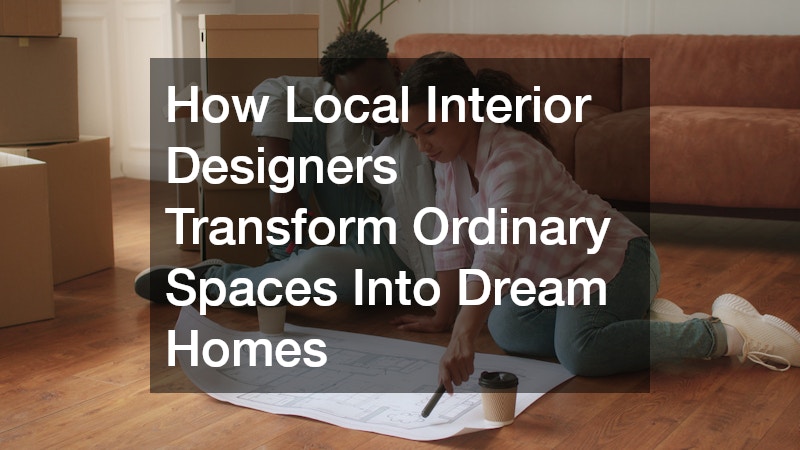
By translating ideas into clear design concepts, they bridge the gap between inspiration and execution. Mood boards, material samples, and 3D renderings help clients visualize the finished result before construction even begins. This clarity reduces uncertainty and builds confidence throughout the project.
Creating Cohesive And Functional Designs
One of the biggest differences between a decorated room and a professionally designed one is cohesion. A dream home flows seamlessly from space to space. Colors complement one another. Materials repeat in subtle ways. Lighting layers enhance mood and practicality.
Designers analyze scale, proportion, and balance to ensure that every element works together. They carefully select furniture that fits the dimensions of the room. Oversized sofas can overwhelm a small space, while undersized rugs can make a large room feel disconnected. Attention to these details transforms awkward layouts into harmonious environments.
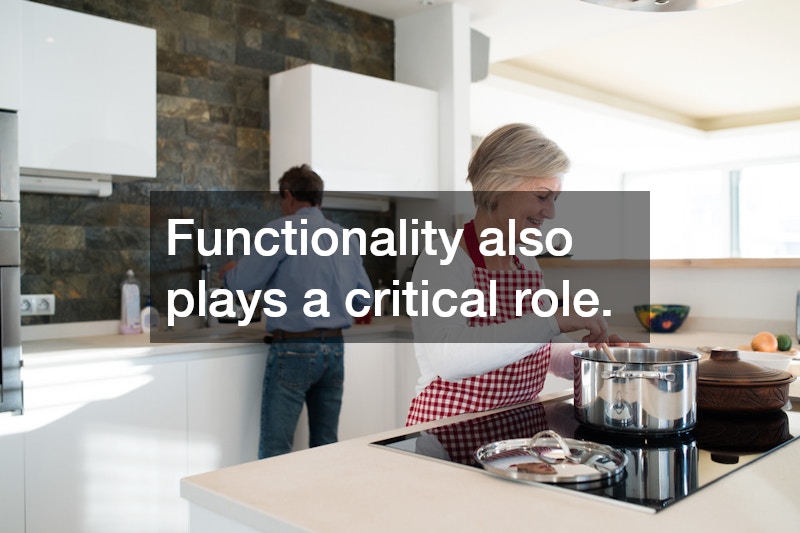
Functionality also plays a critical role. Storage solutions are integrated creatively through custom cabinetry, built-ins, or multi-purpose furniture. Lighting plans often include ambient, task, and accent lighting to improve both usability and atmosphere. What may have once been a dark, cramped room can become bright, open, and welcoming with the right strategic adjustments.
Elevating Spaces With Materials, Texture, And Detail
Ordinary spaces often lack depth. Walls may be flat, finishes may feel generic, and furniture may not add character. Designers introduce texture and dimension to create visual interest. This could mean incorporating natural wood tones, soft textiles, statement lighting, or carefully chosen hardware.
Layering materials adds richness without overwhelming the space. For instance, pairing matte finishes with subtle metallic accents can add sophistication. Mixing fabrics such as linen, velvet, and woven fibers enhances warmth and comfort. Even small details — like trim work, molding, or custom shelving — can dramatically change how a room feels.
Because they are familiar with regional suppliers and craftsmen, local interior designers often have access to unique materials and custom options that homeowners might not discover on their own. These connections allow for personalized touches that make a home stand out while maintaining a sense of authenticity.
The result is not just a room that looks styled, but one that feels intentional and thoughtfully curated.
Managing Projects From Concept To Completion
Transforming a space involves far more than selecting paint colors and furniture. Renovations require coordination among contractors, vendors, electricians, plumbers, and installers. Managing these moving parts can quickly become overwhelming for homeowners attempting to handle everything themselves.
Professionals streamline the process by overseeing timelines, budgets, and communication. They anticipate potential challenges and resolve issues before they escalate. If materials are delayed or adjustments are needed, they adapt while keeping the overall vision intact.
This project management expertise ensures that transformations stay on track and within budget. It also reduces stress for homeowners, who can focus on enjoying the creative journey rather than navigating logistical complications.
Beyond logistics, experienced interior designers bring problem-solving skills that elevate results. They know how to work around structural limitations, maximize small footprints, and enhance architectural features. Their ability to see potential where others see obstacles is what often turns a standard renovation into a truly remarkable transformation.
An ordinary house can become extraordinary with the right combination of creativity, planning, and expertise. Transformations are not about following trends or copying showroom displays. They are about crafting spaces that reflect personal style while improving everyday living.
Through careful consultation, cohesive design strategies, thoughtful material selection, and skilled project management, local interior designers guide homeowners from initial concept to finished reality. The end result is more than a redesigned room — it is a dream home that feels intentional, functional, and uniquely yours.