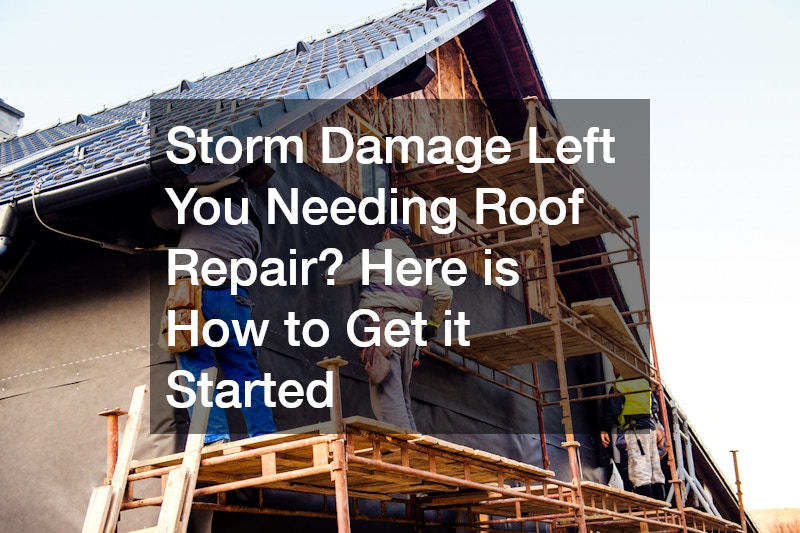
Severe storms can leave behind more than just fallen branches and scattered debris—they can cause significant damage to your roof. High winds, heavy rain, hail, and even flying debris can weaken or destroy roofing materials, leaving your home vulnerable to leaks and structural issues. If you’ve recently experienced storm damage, acting quickly is essential. Understanding how to begin the process of roof replacements can help you restore your home, protect your investment, and regain peace of mind.
Assessing the Extent of Storm Damage
The first step after a storm is determining how much damage your roof has sustained. While some issues, like missing shingles or visible holes, are easy to spot, others may not be immediately noticeable.
Water damage, small cracks, or weakened structures can worsen over time if left unaddressed. Start with a visual inspection from the ground, looking for obvious signs such as loose shingles, dented flashing, or debris accumulation. However, it’s always best to have a professional inspection to ensure nothing is overlooked. Roofing experts are trained to identify both visible and hidden damage, helping you determine whether repairs are sufficient or if full roof replacements are necessary.
Contacting Professionals and Filing Insurance Claims
Once damage has been identified, the next step is to contact a reputable roofing contractor. Experienced professionals can provide a detailed inspection report, recommend the best course of action, and guide you through the process of roof replacements. Choosing a contractor with experience in storm damage repairs is especially important, as they understand the unique challenges involved.
If your roof damage is covered by homeowner’s insurance, you’ll also need to file a claim. Document the damage with photos and keep records of any inspections or estimates. Your contractor can often assist with this process, helping you communicate effectively with your insurance company and ensuring all necessary documentation is provided. Navigating insurance claims can feel overwhelming, but having the right support makes a significant difference. A knowledgeable contractor can help ensure that your claim is accurate and complete, increasing the likelihood of approval and helping you move forward with your roof replacements more efficiently.
Choosing the Right Materials and Options
When it comes to roof replacements, you have the opportunity to select materials that not only restore your home but also improve its durability and appearance. Modern roofing options offer a wide range of benefits, including enhanced weather resistance, energy efficiency, and aesthetic appeal. Common materials include asphalt shingles, metal roofing, and tile, each with its own advantages. Asphalt shingles are popular for their affordability and versatility, while metal roofs offer exceptional durability and longevity. Tile roofing provides a distinctive look and can withstand harsh weather conditions, making it a great option in certain climates.
Working with a professional contractor ensures you choose materials that suit your home’s structure, location, and budget. They can recommend options designed to withstand future storms, reducing the likelihood of needing additional roof replacements down the line. Investing in high-quality materials now can save you time, money, and stress in the future.
Preparing for the Replacement Process
Once you’ve selected a contractor and materials, it’s time to prepare for the roof replacement process. This involves scheduling the work, understanding the timeline, and making any necessary arrangements to minimize disruptions. Roof replacements typically involve removing the old roofing materials, inspecting the underlying structure, and installing the new system. Depending on the size of your home and the extent of the damage, the process can take several days to complete. During this time, you may need to take precautions such as moving vehicles, protecting outdoor furniture, and ensuring pets and children stay safe.
Communication with your contractor is key. They should provide clear expectations regarding the timeline, potential challenges, and cleanup procedures. A professional team will work efficiently while maintaining a safe and organized work environment, ensuring your roof replacements are completed to a high standard.
Protecting Your Home Moving Forward

After your new roof is installed, taking steps to maintain it can help extend its lifespan and protect your home from future storms. Regular inspections, especially after severe weather, can identify potential issues early. Keeping gutters clean and removing debris from your roof also helps prevent water buildup and damage. Consider investing in upgrades such as impact-resistant shingles or improved ventilation systems to enhance your roof’s performance. These features can make your home more resilient and reduce the risk of needing additional roof replacements in the future. Routine maintenance and proactive care ensure that your investment continues to provide protection and value for years to come. By staying vigilant, you can keep your home safe and secure, no matter what the weather brings.
Storm damage can be overwhelming, but taking the right steps can make the process of roof replacements manageable and effective. From assessing damage and working with professionals to selecting materials and preparing for installation, each step plays a crucial role in restoring your home. Acting quickly and making informed decisions helps prevent further damage and ensures a smooth recovery process. With the support of experienced contractors and a clear plan, you can turn a stressful situation into an opportunity to strengthen and improve your home. A well-executed roof replacement not only repairs storm damage but also provides long-term protection, giving you confidence and peace of mind for the future.