A beautifully designed backyard is more than just a patch of grass and a place to set up a grill. When executed correctly, your outdoor space functions as a seamless extension of your home’s interior—a sanctuary for relaxation, an entertainment hub, and a major contributor to your property’s overall market value. However, achieving a flawless balance between lush greenery and durable, structural elements is no easy feat.
Many homeowners approach outdoor renovations piecemeal, adding a garden bed one year and throwing down a basic concrete slab the next. This fragmented approach often results in a disconnected aesthetic, drainage issues, and premature wear on materials. Perfecting your home landscape requires a comprehensive strategy that harmonizes functionality, regional climate considerations, and long-term durability. By planning your layout with intent and executing your builds with precision, you can transform an ordinary yard into a sophisticated, multi-season oasis.
Mapping Out Your Traffic Patterns

An outdoor living space must flow as logically as your indoor floor plan. If your dining area is located too far from your kitchen door, you will find yourself constantly tracking dirt across the house, making the space inconvenient to use.
- Establish Primary Walkways: Ensure main thoroughfares between your backdoor, seating areas, and secondary destinations are at least three to four feet wide to allow two people to walk comfortably side-by-side.
- Create Distinct Zones: Clearly delineate spaces for specific activities. Use natural transitions, such as a change in flooring material or a low stone border, to separate a high-energy kids’ play zone from a quiet reading nook.
- Keep Sightlines Open: When mapping out your landscape design, ensure that views from your main indoor windows are not obstructed by bulky structures or poorly placed tall shrubs.
- Account for Future Utilities: Mark potential routes for future water, gas, or electric lines within your initial layout layout to avoid digging up established paths later.
Designing Around the Sun and Wind
Microclimates exist within every single property, and ignoring them can render an expensive renovation completely unusable during peak hours of the day.
- Track the Sun’s Path: Pay attention to where the afternoon sun hits. Your primary dining table should ideally be shielded by architectural shade, pergolas, or mature canopy trees during the hottest parts of the day.
- Mitigate Prevailing Winds: Position fire features and sensitive seating areas away from wind corridors. If your yard suffers from strong, consistent gusts, consider consulting professional tree services to strategically plant dense evergreen windbreaks like Arborvitae or Leyland Cypress.
- Maximize Morning Light: Situate your morning coffee spot on the eastern side of your home to catch the earliest, gentlest rays of the sun, providing an energizing start to your day.
- Utilize Natural Canopy Cover: Evaluate existing mature trees to determine if structural pruning can increase ambient sunlight or if certain sections require shade-loving turf varieties.
Comparing Natural Stone vs. Interlocking Pavers
The choice between natural stone and manufactured pavers often comes down to budget, architectural style, and personal preference. Both options offer incredible longevity when installed over a properly prepared base.
- Natural Stone (Flagstone, Bluestone, Slate): Offers unmatched organic beauty and a unique, non-uniform texture. It reflects a timeless elegance, though it requires skilled craftsmanship to cut and fit properly due to varying thicknesses.
- Interlocking Concrete Pavers: Highly durable and manufactured to precise dimensions, making installation faster and highly uniform. They come in an infinite array of colors, shapes, and textures, and many modern varieties mimic the look of natural stone flawlessly.
- Porcelain Outdoor Tiles: An emerging favorite for ultra-modern homes. They are completely non-porous, highly resistant to staining, frost-proof, and exceptionally easy to clean with a simple garden hose.
- Evaluate Local Material Availability: Sourcing stone native to your geographic region reduces shipping expenses and guarantees the material is naturally equipped to withstand local weather conditions.
Setting a Strong, Level Foundation

A beautiful patio surface is only as good as the hidden layers beneath it. Skipping steps during the excavation and base preparation phases will inevitably lead to shifting, cracking, and pooling water.
- Excavate to the Proper Depth: Depending on your soil type and climate, you must dig down anywhere from 4 to 8 inches for a standard pedestrian patio to accommodate the base materials.
- Prioritize the Gravel Sub-Base: A thick layer of crushed gravel, thoroughly compacted with a heavy mechanical plate compactor, acts as the structural foundation and allows water to drain away freely rather than trapping moisture beneath the surface.
- Hire Certified Professionals: Working alongside experienced paving contractors ensures that the precise pitch of your patio is calculated correctly, guaranteeing that rainwater slopes away from your home’s foundation at a minimum rate of one inch for every eight feet.
- Invest in Master Stonework: For complex layouts, elevated terraces, or integrated stone steps, hiring premium masonry services will yield flawless joints and durable mortar work that resists cracking over years of seasonal temperature swings.
- Implement Geotextile Fabric Membranes: Lay a heavy-duty stabilization fabric between the raw subgrade soil and your gravel base to prevent soil migration and eliminate future surface rutting.
Conquering Slopes with Engineered Retaining Walls
Sloped yards are notoriously difficult to mow, use, or enjoy. Retaining walls are the ultimate functional solution, turning unusable hillsides into beautiful, flat, tiered terraces.
- Prevent Soil Erosion: A well-built retaining wall holds back tons of earth, preventing heavy rainstorms from washing away your topsoil and destroying your landscape investments.
- Incorporate Built-In Seating: By designing a retaining wall to sit precisely 18 to 21 inches above your patio floor, you instantly create dozens of feet of permanent, built-in bench seating for large gatherings.
- Integrate Proper Drainage: Every retaining wall must feature perforated drainage pipes wrapped in geotextile fabric behind the stone to relieve hydrostatic water pressure, which is the number one cause of wall failure.
- Partner with Specialists: Entrusting your vertical builds to an established hardscaping company ensures that structural loads are calculated accurately and that the wall complies with local safety codes and height restrictions.
- Utilize Geogrid Structural Reinforcement: For walls extending past three feet in height, integrate synthetic geogrid mesh layers into the backfill soil to mechanically stabilize the entire earth embankment.
Choosing the Right Pour for Custom Outdoor Foundations
When building heavy, permanent outdoor amenities like custom stone outdoor kitchens, large brick pizza ovens, or massive outdoor fireplaces, standard dirt or gravel bases will not suffice. These heavy structures require monolithic concrete pads that will not sink over time.
- Opt for Precise On-Site Delivery: Utilizing a specialized metered concrete contractor allows you to mix the exact amount of concrete needed directly at your property line, ensuring maximum freshness and eliminating the waste or over-ordering associated with traditional barrel trucks.
- Embed Steel Rebar Reinforcement: Ensure your structural pads are reinforced with a grid of steel rebar or wire mesh to distribute the massive weight of masonry features evenly across the concrete slab.
- Allow for Adequate Curing Time: Freshly poured concrete footings should cure for a minimum of 3 to 7 days before heavy stone or brickwork begins, allowing the material to reach its necessary compressive strength.
- Incorporate Slope into Sub-Pads: Design a subtle, unnoticeable fraction of a percent slope into your concrete sub-base to prevent moisture from collecting hidden beneath your finish stone.
Modernizing Plain Concrete Patios and Garage Floors

If you have an existing concrete patio or an attached garage floor that opens directly into your backyard entertainment zone, leaving it as a gray, stained, or cracked slab dramatically detracts from your new landscape.
- Apply Resilient Overlays: Utilizing high-performance epoxy concrete flooring can instantly transform drab, stained concrete into a glossy, granite-like, or solid-color finish that is completely impervious to chemicals, UV rays, and abrasions.
- Incorporate Anti-Slip Textures: When coating outdoor surfaces, ensure the installer mixes fine quartz aggregate or specialized texturing agents into the topcoat to maintain excellent traction when the surface gets wet from rain or pool splashes.
- Seal Out Moisture completely: A professional-grade coating prevents water from migrating into microscopic pores in the concrete, which eliminates the risk of spalling and cracking caused by freezing winter temperatures.
- Fix Structural Imperfections Early: Ensure all deep surface pits, dynamic spiderweb cracks, and old grease stains are fully ground down and patched with polymer mortars prior to final coating application.
Balancing Privacy and Safety Standards
An outdoor oasis should feel like a private sanctuary, free from the prying eyes of neighbors, while simultaneously meeting stringent local safety guidelines, especially if you have elevated decks or a swimming pool.
- Install Heavy-Duty Guardrails: For any raised patio, deck, or step system higher than 30 inches off the ground, a professional railing installation is required by law to prevent accidental falls while adding a modern architectural accent to your space.
- Select Low-Maintenance Railing Materials: Opt for powder-coated aluminum, stainless steel cable rails, or structural tempered glass panels to maximize your backyard views without requiring the constant sanding and painting associated with traditional wood railings.
- Strategically Place Privacy Panels: Use localized privacy screens or decorative laser-cut metal panels around your hot tub or dining area rather than enclosing your entire yard in a monolithic, claustrophobic box.
- Integrate Low-Voltage Post Cap Lighting: Enhance evening perimeter safety by using lighted rail post caps that illuminate deck steps and drop-off hazards without casting harsh glare.
Asking the Right Questions Before Signing a Contract
Before handing over a deposit to any contractor, you must conduct thorough due diligence to protect your financial investment and ensure peace of mind.
- Verify Licenses and Insurance: Always request proof of current general liability insurance and worker’s compensation to ensure you are not held liable for any accidents that occur on your property.
- Request a Detailed Scope of Work: A reputable patio contractor will provide a comprehensive, itemized contract detailing the exact materials, brands, dimensions, estimated timelines, and payment schedules for your project.
- Call Before You Dig: Ensure that either you or your contractor contacts your local utility locator service (such as 811 in the United States) to accurately map out underground gas, water, electric, and fiber optic lines before any heavy machinery arrives on site.
- Review Portfolio Consistency: Look for a track record of completed projects that match the specific style and complexity of what you want built in your own yard.
- Clarify Cleanup and Disposal Responsibilities: Ensure the contract states explicitly who is responsible for removing old excavated soil, wood framing scraps, and heavy construction debris from your property.
Framing Property Lines Efficiently
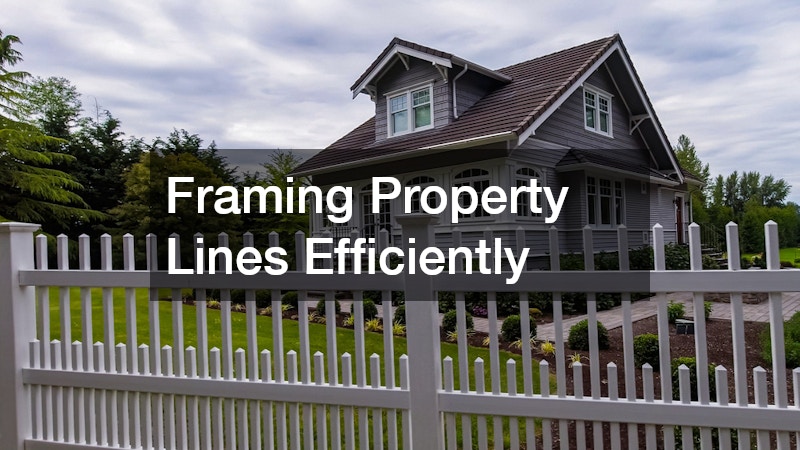
Defining the outer boundaries of your property serves multiple purposes: it keeps pets and children safe, establishes clear property lines, and acts as a beautiful frame for your internal landscape design.
- Confirm Property Boundaries with a Survey: Never rely on existing old landmarks or guesswork when defining your property edge. Hire a surveyor to locate your exact iron property pins to prevent legal disputes with neighbors.
- Match Architectural Style to Your Home: A premium fence installation should complement your home’s architecture. Use crisp horizontal cedar slats for modern homes, classic white vinyl for traditional builds, or elegant wrought iron for historic properties.
- Account for Soil Conditions and Wind Loads: Ensure that fence posts are set deep into the ground—typically one-third to one-half the height of the fence above ground—and anchored securely in solid concrete bases to prevent leaning over time.
- Communicate Openly with Neighbors: Inform your immediate neighbors of your construction plans out of courtesy, especially if workers will need temporary access near their property lines to complete the perimeter installations.
- Verify Local Setback Restrictions: Consult municipal zoning maps to confirm exactly how many inches or feet away from the actual property line your perimeter structures must be erected.
Perfecting your home landscape and patio requires a thoughtful blend of artistic vision, structural engineering, and practical planning. By viewing your backyard as a collection of interconnected outdoor rooms, you can create a highly functional space that accommodates quiet mornings, lively weekend gatherings, and moments of peaceful relaxation.
Investing in high-quality materials, prioritizing proper foundation and drainage work, and partnering with experienced professionals ensures that your outdoor oasis will withstand the test of time and changing seasons. Take the process one step at a time: map out your dream layout, address the heavy foundational elements first, and finish with the personal aesthetic touches that make the space uniquely yours. With a commitment to quality and a clear plan in place, your dream backyard is entirely within reach.